
When an A/C Repair Makes Sense vs. Replacement
May 9, 2026
When Numbers Don’t Add Up
August 18, 2026
The Lowcountry Storm Season Home Checklist:
What to Do Before August
July is the month Lowcountry homeowners have to get ahead of it. Here’s a trade-by-trade walkthrough of what actually matters and what to stop putting off.
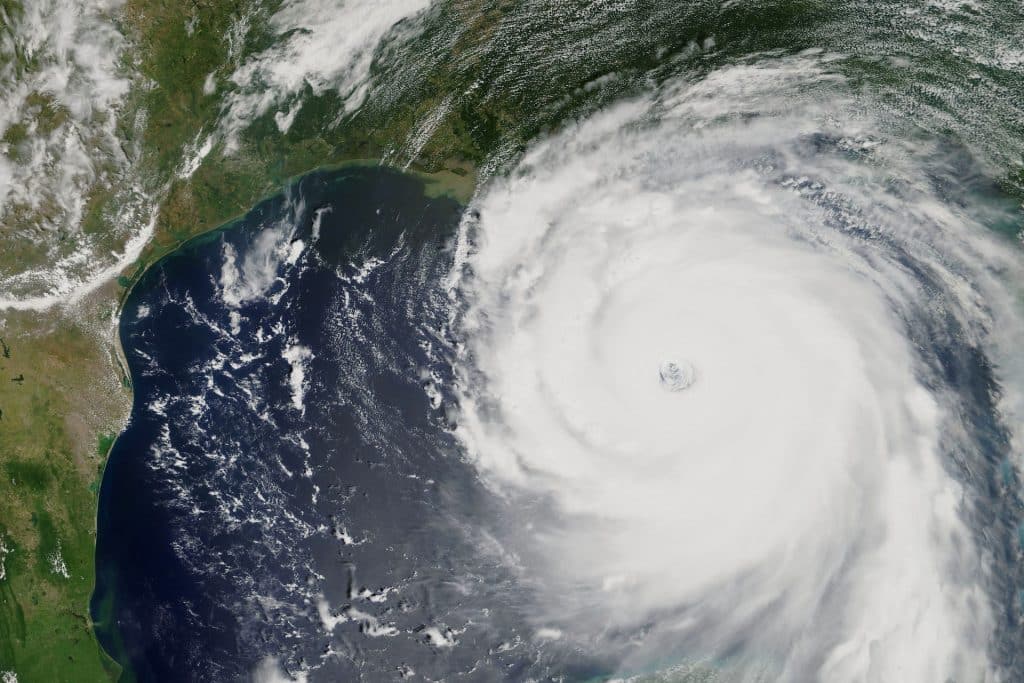
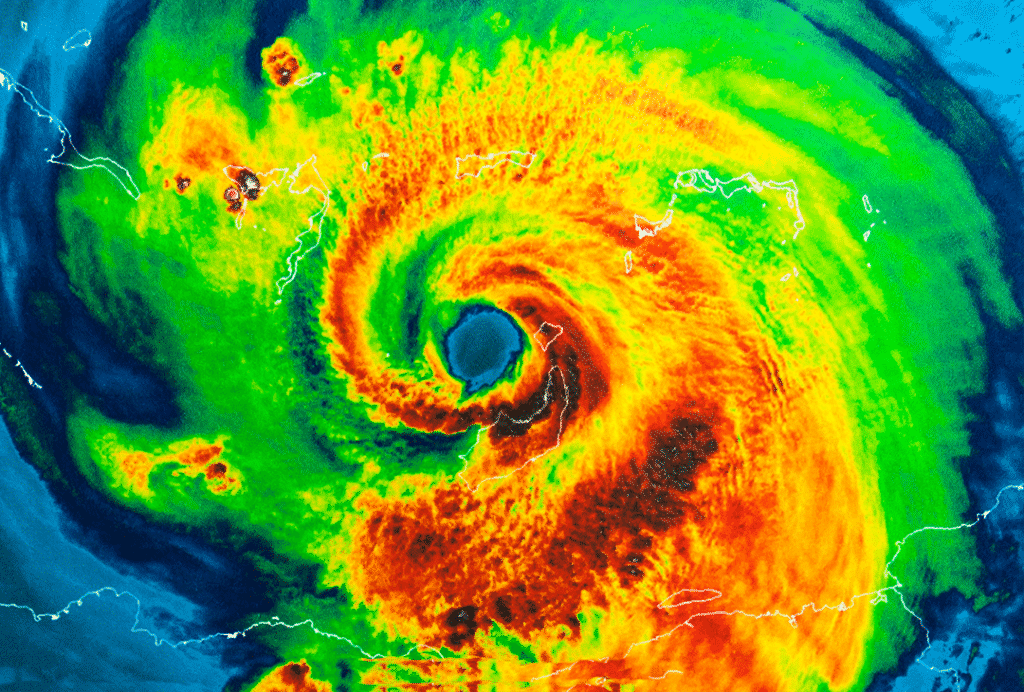
By now you’ve probably seen the reminders: hurricane season is here, prepare your home and probably have scrolled past most of them. That’s fair. A lot of storm prep content is vague and most is common sense.
This isn’t that. What follows is a room-by-room, trade-by-trade checklist built specifically for homes in the Lowcountry, where the combination of heat, humidity, coastal air, and storm exposure creates a very specific set of vulnerabilities that generic homeowner guides don’t address. We’ve broken it into the four areas that matter most: HVAC and air quality, plumbing and drainage, electrical systems, and restoration readiness.
Our goal is to give you a list you can actually work through so that when August arrives, and the weather gets serious, your home is in the best position it can be with less stress on you to prepare.
“The most expensive home repairs we see after a storm aren’t caused by the storm itself. They’re caused by a system that was already weakened and didn’t get caught in time.”
|
6.2
Billion-dollar weather events affecting SC per year, 2020–2024
(up from 2.2 avg) |
110°+
Heat index recorded in the Lowcountry during July — putting maximum load on every home system
|
Aug–Oct
The peak window for direct hurricane threats to the South Carolina coast
|
How to use this checklist
We’ve organized everything by trade, not by urgency, because most homeowners work system by system rather than bouncing between trades. Items marked ACT NOW are things that genuinely need attention before August. Items marked SEASONAL are standard summer maintenance that pays off whether a storm hits or not.
HVAC & Air Quality
Comfort, efficiency, and indoor air in peak heat
- ACT NOW Schedule a pre-season tune-up if you haven’t already
A system working at 110° heat index is working near its limits. A tune-up catches refrigerant issues, worn capacitors, and airflow restrictions before they turn into a full system failure on the hottest afternoon of the year. - SEASONAL Replace air filters
In Lowcountry humidity, filters load up faster than the manufacturer’s timeline suggests. A clogged filter forces the system to work harder and reduces airflow through the house, the last thing you want when it’s 95° outside. - SEASONAL Clear the area around your outdoor unit
Two feet of clearance on all sides. After summer growth season, shrubs and vines can close that gap. Restricted airflow around the condenser forces refrigerant pressure higher and shortens compressor life. - ACT NOW Check your crawl space humidity
Crawl space humidity above 60% is a mold risk and in July, unconditioned crawl spaces regularly reach 80–90%. If your home doesn’t have a crawl space dehumidifier or encapsulation, this is worth a conversation before storm season adds moisture to the mix. - SEASONAL Confirm your thermostat is reading accurately
A thermostat that reads 2–3° off sends your system on a longer cycle than it needs to run, adds wear, and costs money. If your home feels off from what the thermostat says, it’s worth checking. - ACT NOW Know your system’s age
HVAC systems have a 15–20-year lifespan. A system over 15 years old heading into storm season, when power fluctuations, extended outages, and maximum heat loads all happen at once, is a real risk. If yours is in that range, a conversation now is better than an emergency call later.
Plumbing & Drainage
Managing water before it manages you
- ACT NOW Clear gutters and downspouts completely
Lowcountry storms don’t ease into it. When two inches of rain falls in 45 minutes (which happens regularly from July through October) a clogged gutter backs up against your fascia, soaks into the soffit, and starts working on your interior walls. Clear gutters now, not after the first storm reveals the problem.
Electrical
Surge protection, safety, and storm readiness
- ACT NOW Install whole-home surge protection if you don’t have it
Lowcountry storms produce frequent lightning and power grid fluctuations. A whole-home surge protector at your panel protects every circuit simultaneously including your HVAC compressor, refrigerator, and anything else hardwired. Individual power strips only protect what’s plugged into them. - SEASONAL Test all GFCI outlets, especially in bathrooms, kitchen, and outdoor areas
Press the test button. If the outlet doesn’t click off, it needs to be replaced. GFCI protection is your primary defense against shock in wet conditions, exactly the conditions storm season creates. - ACT NOW Have your panel inspected if it’s more than 20 years old
Older panels, especially those with known issues like Federal Pacific or Zinsco breakers, are a fire risk under surge and fluctuation conditions. If you’re not sure what you have, a licensed electrician can tell you in a single visit. - ACT NOW Plan your generator setup properly
Never run a portable generator indoors, in a garage, or within 20 feet of any window or door. Carbon monoxide poisoning kills people every storm season. If you’re considering a whole-home standby generator, now is the time to schedule that conversation as installs take time and modifications to install are typically required. - SEASONAL Check outdoor lighting and outlets for damage or corrosion
Coastal salt air accelerates corrosion on outdoor electrical fixtures. A cracked cover plate or corroded outlet that looks cosmetic can be a shock or fire hazard in wet conditions. - SEASONAL Confirm your smoke and CO detectors are working
Replace batteries if they’re more than a year old. Generator use during and after storms is the single biggest source of carbon monoxide incidents after a storm event.
Restoration Readiness
If something does happen, know what comes next
- ACT NOW Document your home’s current condition with photos
Walk through every room and the exterior and take photos or video. Store it somewhere that survives a power outage: cloud storage, a USB drive kept off-site, or an email to yourself. This documentation is critical for insurance claims if damage occurs. - ACT NOW Know what your homeowner’s policy actually covers
Standard homeowner’s insurance covers wind damage but not flooding. Flood damage requires a separate policy (typically through the NFIP) and there is a 30-day waiting period before coverage takes effect. If you’re not sure what you have, call your agent before a storm is in the forecast. - ACT NOW Identify and inspect any areas with past water intrusion
If a corner of your garage floor got wet last fall, or a window leaked a few years ago, those are the spots to watch and the spots where mold can already be getting started. A pre-season check costs far less than remediation after the fact. - ACT NOW Save our number before you need it
Storms don’t wait for business hours, and neither do we. Keep Superior Services in your phone so that when something comes up (day or night) you’re not searching for help in the middle of an emergency. We’re here for whatever you need.
One thing worth saying plainly
You don’t have to address every item on this list yourself, and you don’t have to coordinate four different companies to do it. The advantage of working with Superior Services is that we cover HVAC, plumbing, electrical, and restoration under one roof. One call, one inspection, and one conversation can cover all of it. No gaps. No finger-pointing between trades if something comes up. That’s the Superior Choice!
If you want someone to walk through your home before storm season gets serious, our team of Nate Certified Technicians will tell you what we see, what can wait, and what genuinely needs attention. No pressure on the items that don’t need it.
Schedule your whole-home storm season check
One visit. All home services. We’ll work through the list with you and let you know where your home stands
heading into peak season.
Request a check-up: 800-828-2665
Available 24/7